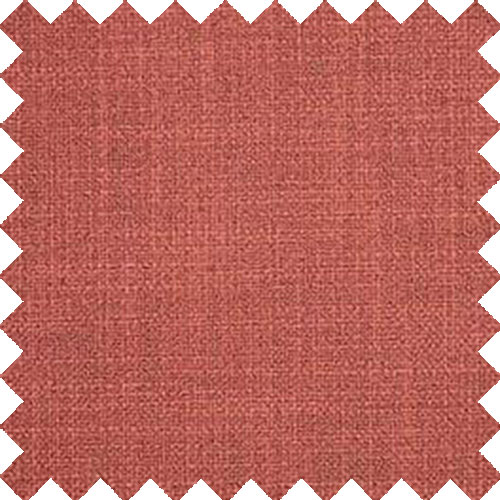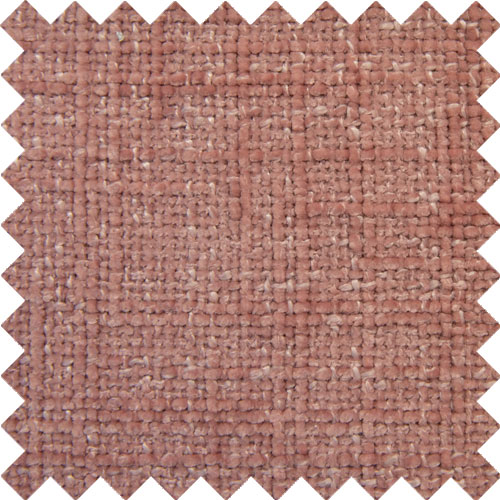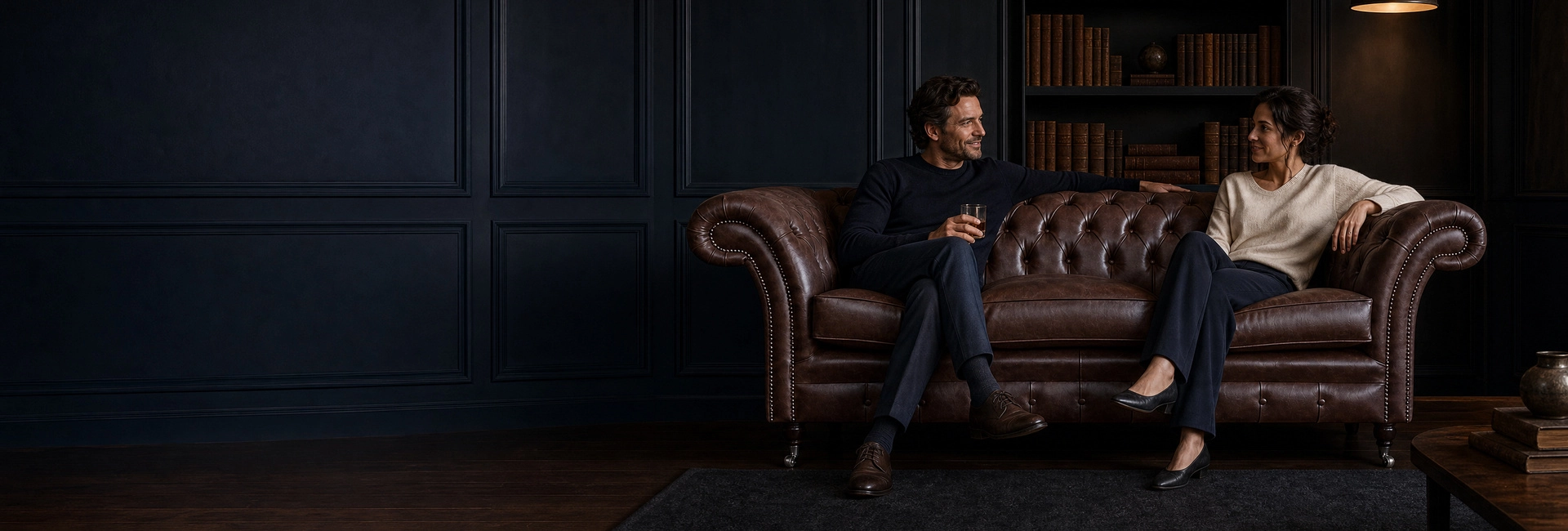
The upholstery can change the entire personality of a sofa. Leather brings out the traditional character of a Chesterfield, while velvet gives its familiar silhouette a softer, more expressive finish. Both materials have their own appeal, but they offer different experiences once the furniture becomes part of your everyday life.
Choosing between them means looking beyond appearance. Cleaning requirements, household routines, comfort and the atmosphere you want to create all deserve consideration. Here is how leather and velvet compare, along with what to think about before choosing a Chesterfield sofa for your home.
Leather Chesterfield Sofa: The Pros and Cons
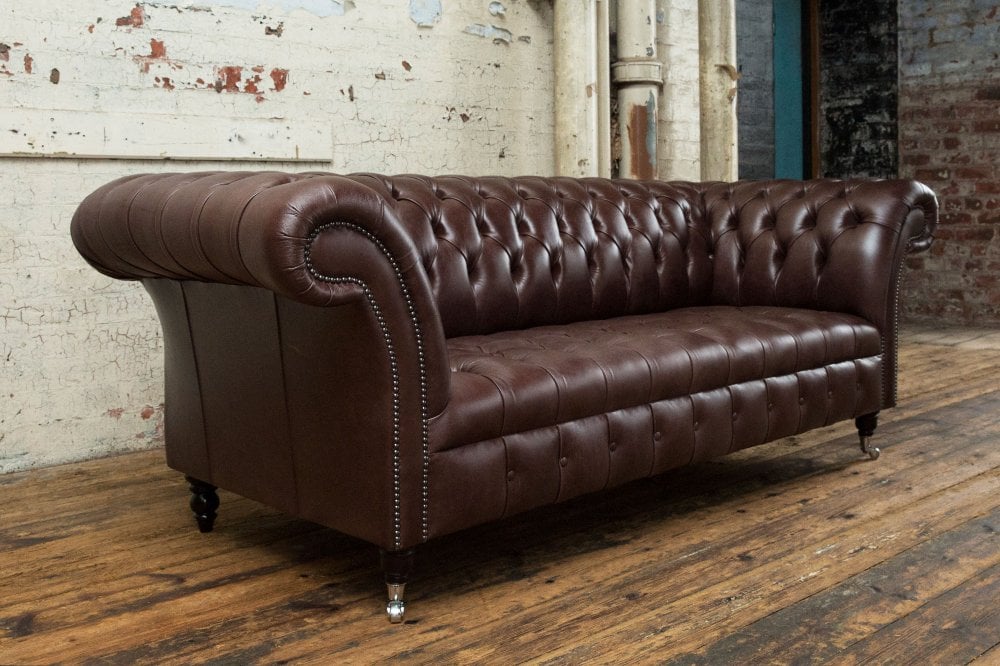
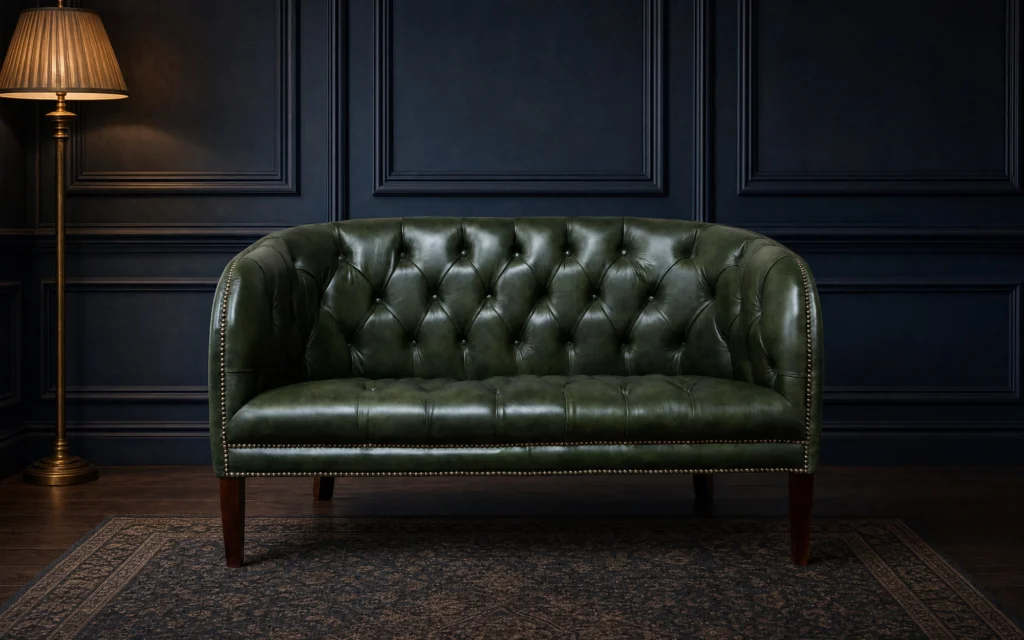
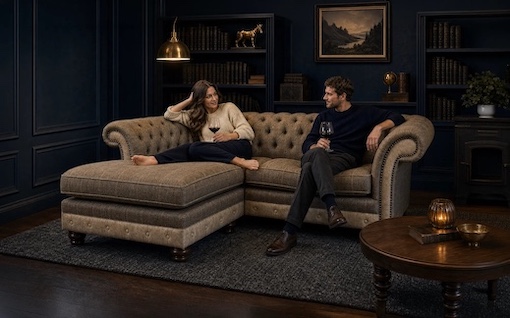
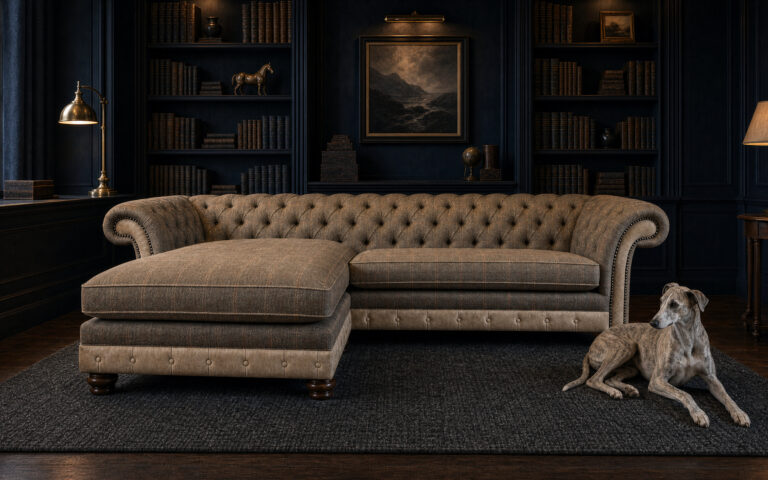
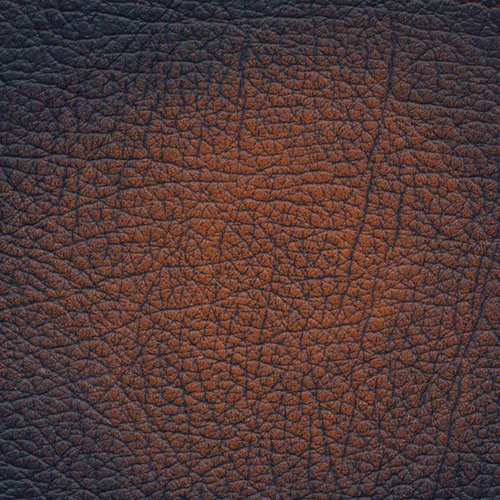
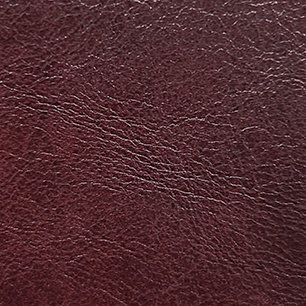
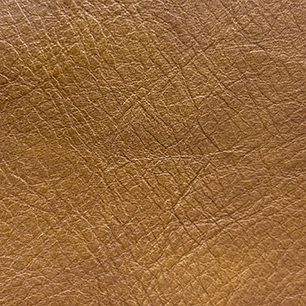
A leather Chesterfield sofa emphasizes the details that make this design recognizable. The rolled arms, deep buttoning and structured back stand out against the smooth surface, giving the piece a refined appearance that works in traditional studies, contemporary living rooms and eclectic interiors.
Advantages of leather
- Straightforward cleaning: Small spills can often be wiped away promptly, provided the leather finish is suitable for the cleaning method.
- Character that develops over time: Depending on the quality and finish, subtle creases and changes in appearance can give the sofa a more individual look.
- A timeless appearance: Leather complements classic Chesterfield details while working equally well in many contemporary interiors.
- Less fabric to trap loose hair: Its smooth surface can make removing pet hair and everyday dust easier than with textured upholstery.
Drawbacks of leather
- Prone to scratches: Pet claws, sharp objects and repeated friction can mark the surface.
- Sensitive to its surroundings: Prolonged sunlight or excessive heat may contribute to fading or drying.
- Can feel cool initially: The surface may feel cold when you first sit down, particularly during colder months.
- Potentially higher upfront cost: Quality leather can be more expensive than some fabric options, depending on the grade and construction.
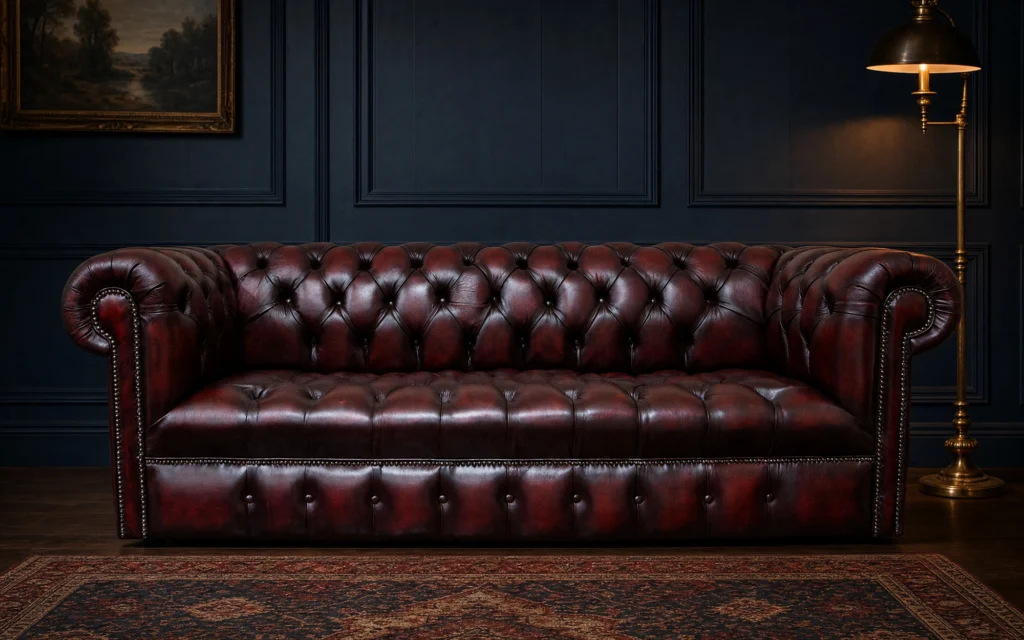
Velvet Chesterfield Sofa: The Pros and Cons
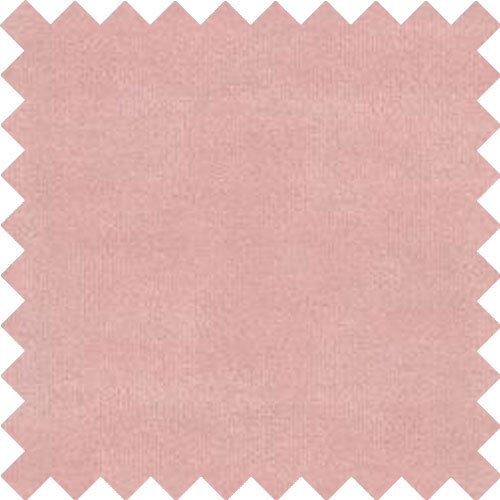
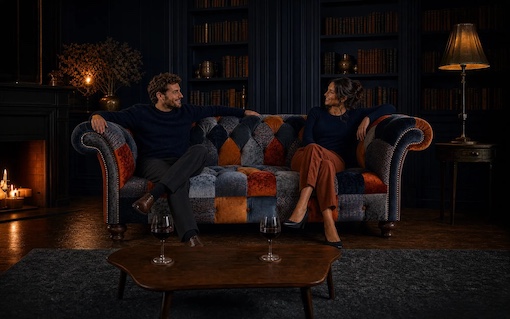
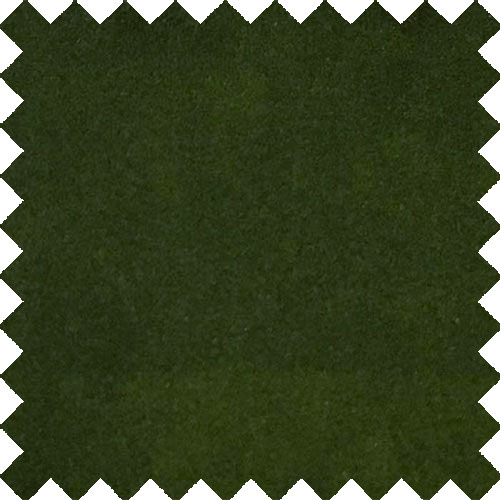
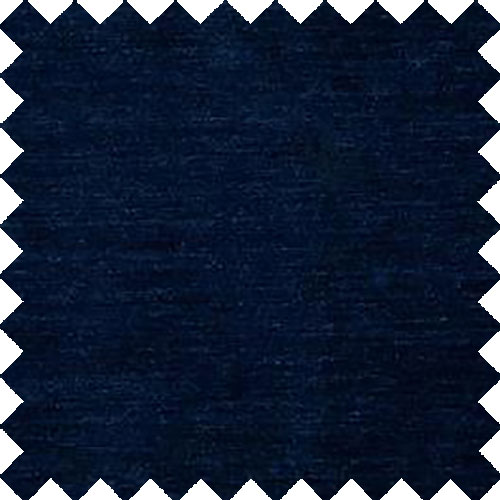
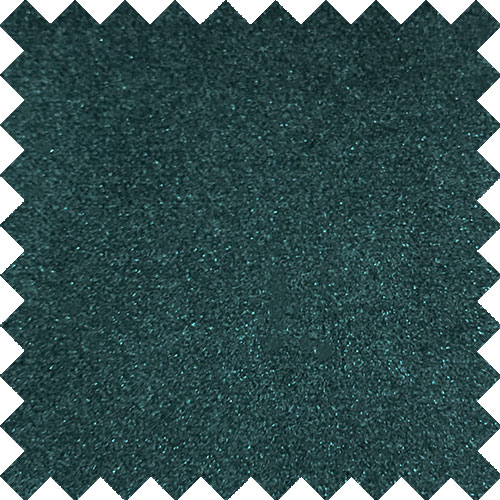
A velvet Chesterfield sofa offers a different interpretation of the classic design. Its soft pile catches the light at varying angles, giving the buttoned upholstery more depth and making the curved arms feel less formal. The effect can be especially striking in richer shades such as emerald, navy or burgundy.
Advantages of velvet
- Rich visual texture: The pile reflects light differently across the surface, adding depth to Chesterfield’s unique details.
- A broad choice of colors: From deep jewel tones to understated neutrals, velvet offers plenty of scope for personal expression.
- A soft, inviting feel: Its tactile finish can make a living room feel more relaxed and welcoming.
- Works across different interior styles: Velvet can complement traditional furnishings while adding warmth to more contemporary spaces.
Drawbacks of velvet
- Needs careful spill treatment: Liquids can leave marks if they are not handled correctly and rubbing may disturb the pile.
- Can show pressure marks: Frequent sitting may flatten the fibers or change how the surface reflects light.
- May require more upkeep: Dust and pet hair can collect in the pile, depending on the fabric and its construction.
- Cleaning varies by fabric: Different velvet compositions have different care requirements, so the manufacturer’s instructions should guide your approach.
Which Material Is Better for Your Home?
The better option depends on how your household uses its living space. Leather may suit a busy family room where quick surface cleaning matters, while velvet can be a strong choice for a more design-led interior where texture and color take priority.
Pets deserve particular consideration. Leather may be easier to remove loose hair from, but claws can scratch its surface. Velvet can hold onto pet hair and may require more frequent cleaning, depending on its pile. Neither material is automatically pet-proof, so your animal’s habits matter as much as the upholstery itself.
Think about your decorating preferences too. Leather often complements wood, metal and natural finishes, while velvet can soften rooms with hard surfaces or introduce color into a neutral scheme. If you expect to change your decor regularly, consider which material will give you the flexibility you want.
Which Material Complements Your Interior?
Leather works naturally with interiors that feature wood, stone, metal and other materials with a defined finish. A tan leather Chesterfield can bring warmth to a neutral living room, while darker brown or black upholstery creates a more pronounced contrast against lighter walls. If you prefer understated decor, leather can give the room a strong focal point without relying on bold patterns or decorative accessories.
Velvet offers a softer approach, particularly in rooms that feel dominated by hard surfaces or minimal furnishings. Its tactile finish works beautifully alongside painted wood, brushed metal and layered textiles, adding depth without making the space feel overly formal. A velvet Chesterfield in a carefully chosen shade can also provide a foundation for cushions, throws and artwork, allowing you to refresh the room’s appearance without changing the main furniture.
Think Beyond the Upholstery
The material alone does not determine how long a Chesterfield sofa will last. Frame construction, cushioning, stitching and the quality of the upholstery all contribute to its performance. A well-made sofa with suitable care can serve you for years, regardless of whether you choose leather or velvet.
Before committing, consider your budget alongside the expected lifespan of the piece. A lower initial price does not always represent better value, just as a higher price does not guarantee superior construction. Look at the overall quality and care requirements rather than judging the sofa by its surface alone.
Leather is worth considering if you prefer a classic appearance, want relatively straightforward surface cleaning and appreciate the way natural materials can develop character. Velvet may be the better fit if you value softness, enjoy experimenting with color and want your sofa to contribute more visibly to the room’s design.
Neither material is universally superior. The right choice is the one that fits your household, your decorating preferences and the level of care you are comfortable providing. Explore the Chesterfield collection at Oswald & Pablo to compare upholstery styles and find a piece that feels right for your home.