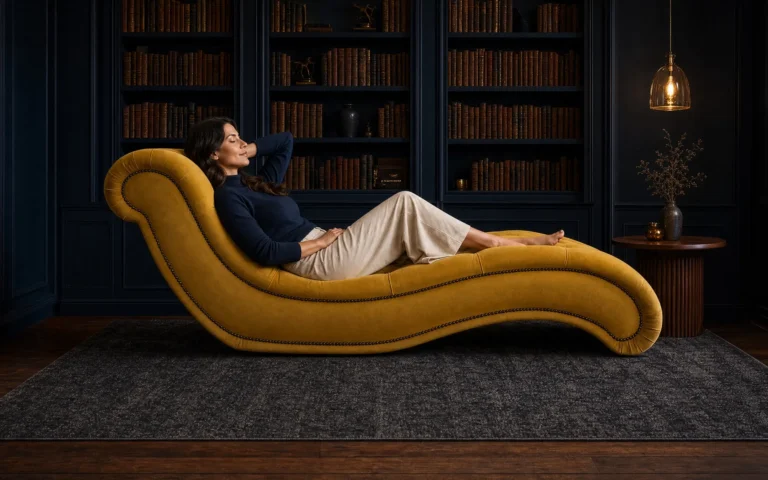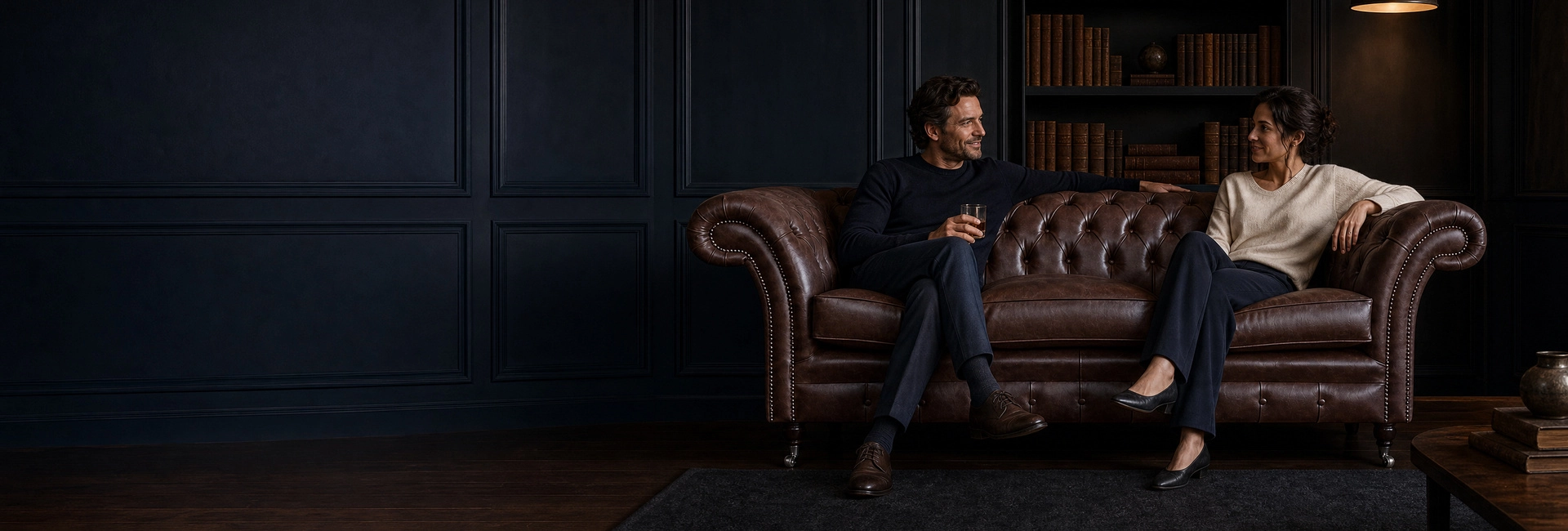
A footstool might seem like a small addition to a living room, though the right one can make the entire seating area feel more complete. Alongside a Chesterfield sofa, it can introduce extra comfort while reinforcing the character of the furniture already in the room. Choosing the right footstool is therefore about more than simply finding somewhere to rest your feet.
Upholstery, colour, size and shape all influence how naturally the two pieces work together. A well-matched chesterfield footstool should feel connected to the sofa without making the room look overly coordinated. The aim is to create a seating area where every piece feels considered while still retaining some individuality.
Start With the Style of Your Chesterfield
The sofa should always be the starting point when choosing a footstool. Chesterfield sofas have a unique appearance, so looking at their main design features can help narrow down your options. Deep buttoning, rolled arms and structured upholstery create a traditional character that can be echoed in the footstool without requiring an identical design.
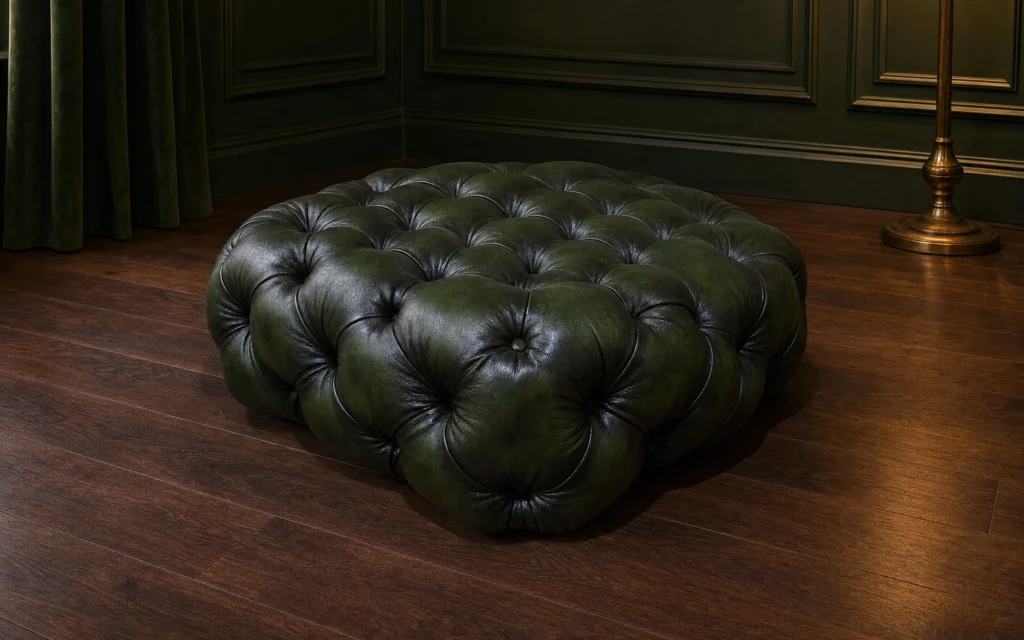
A buttoned footstool can strengthen the classic appearance of a leather Chesterfield, while a simpler upholstered design can create a more relaxed contrast. Think about the overall mood of your sofa before choosing the smaller piece. A heavily detailed footstool may suit a traditional interior, while a cleaner design could work better with a softer fabric sofa.
Decide Whether You Want a Perfect Match
Matching does not always mean choosing identical pieces. Using the same leather, fabric and colour across the sofa and footstool creates a unified appearance, which works particularly well if you prefer a traditional interior where the furniture feels deliberately coordinated.
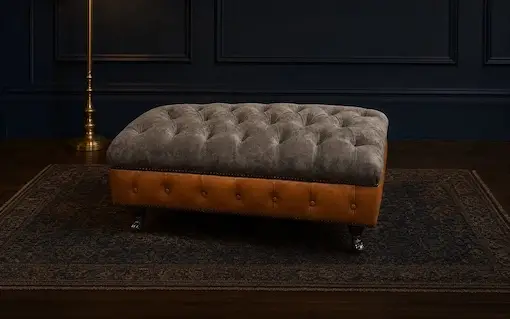
A complementary footstool can create a more relaxed look. Choosing a similar material in a slightly different shade allows the pieces to connect without appearing as though they were bought as a set. Both approaches can work beautifully, so the choice largely depends on how much contrast you want within the room.
Consider the Colour Carefully
Colour is one of the easiest ways to connect a sofa with its footstool. A tan Chesterfield sofa can be paired with a slightly darker brown footstool for subtle contrast, while neutral sofas offer even more flexibility when you want to introduce richer shades without dominating the room.
If your sofa already has a strong colour, keeping the footstool within the same colour family can create a calmer result. A deep blue sofa, for example, could work with navy, slate or muted grey upholstery. There is no need to copy the exact shade because a related tone can often feel more natural within the wider room.
Match the Materials
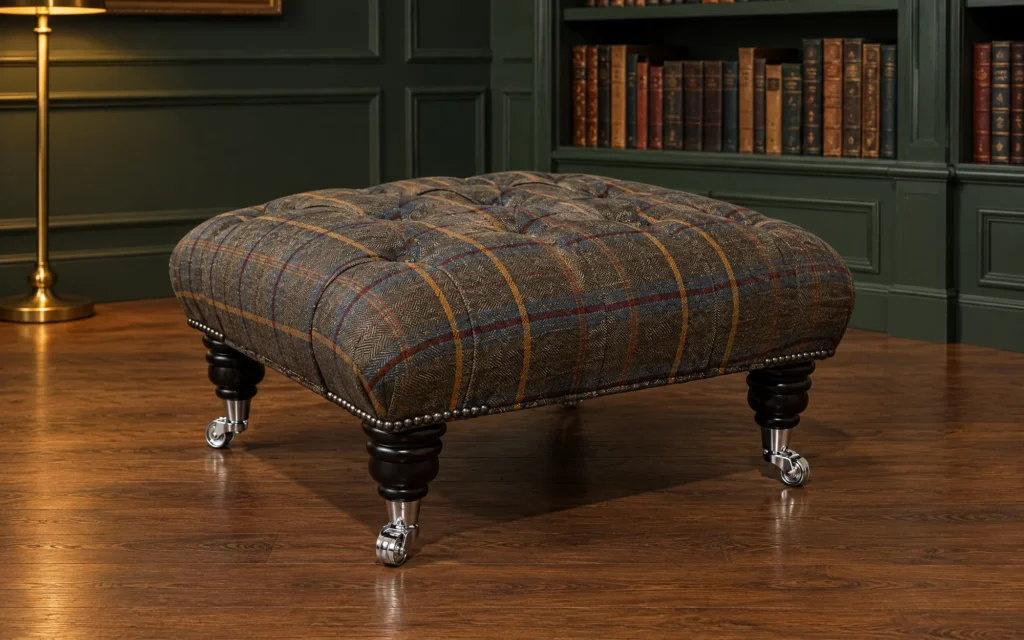
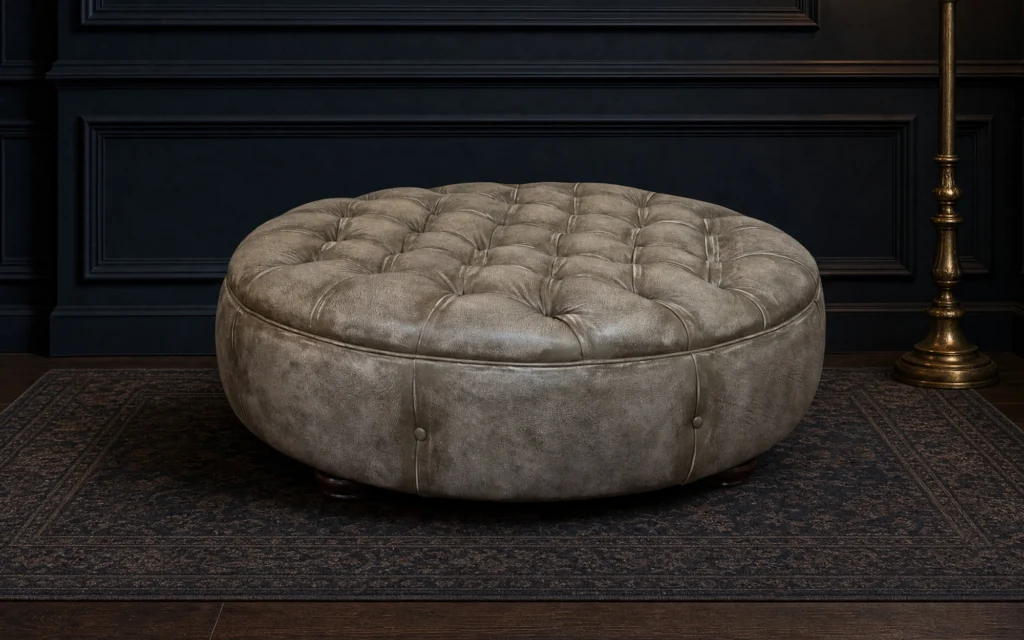
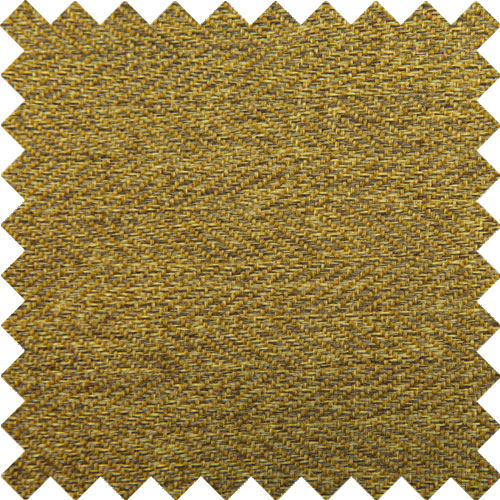
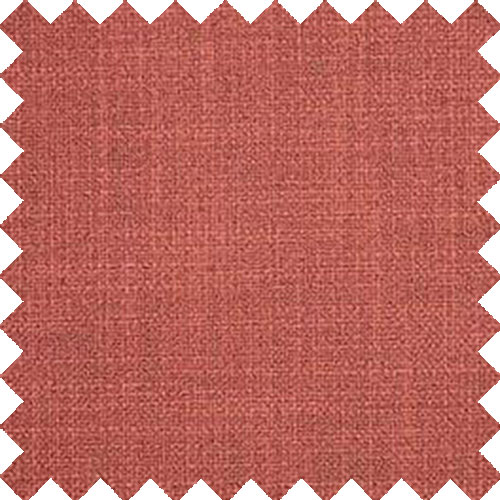
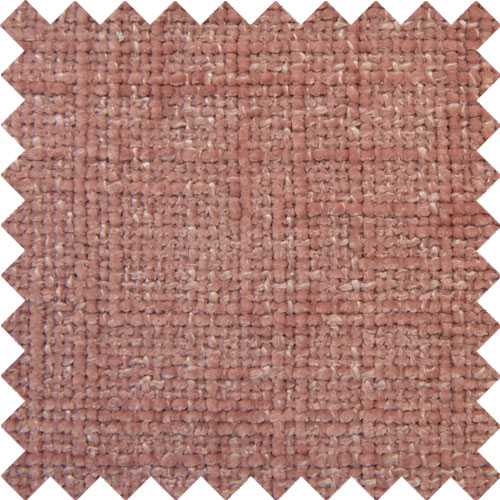
The material of your footstool should make sense beside the sofa. Leather works particularly well with traditional Chesterfields because it reinforces their heritage character. A matching leather footstool creates a polished appearance, while a fabric footstool can soften the look and introduce another layer of texture.
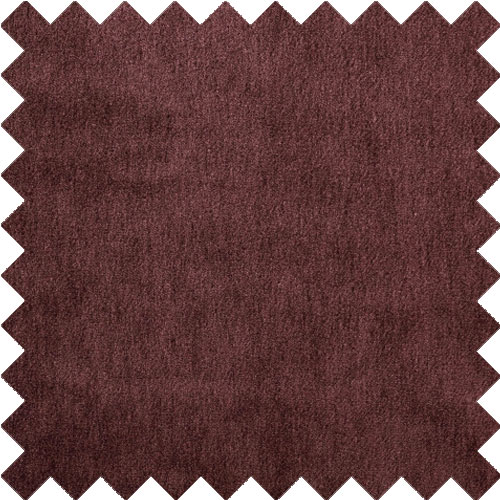
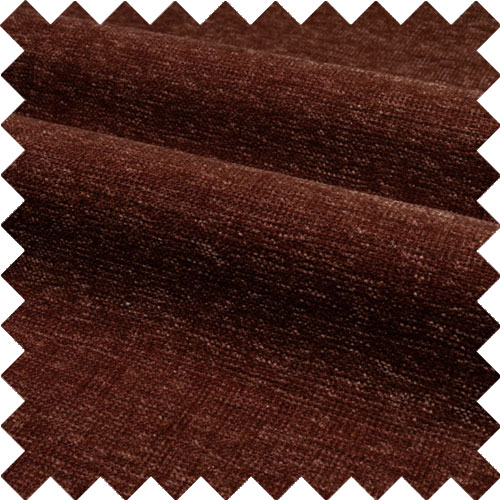
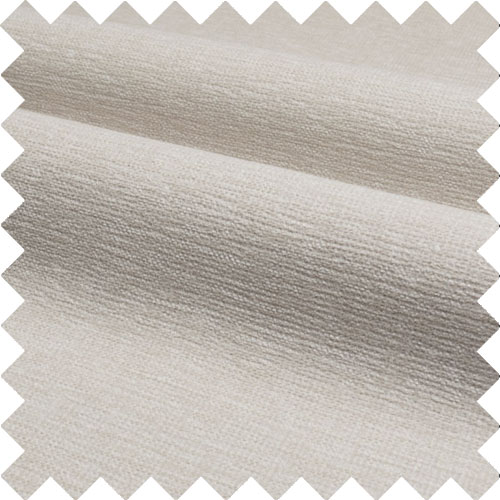
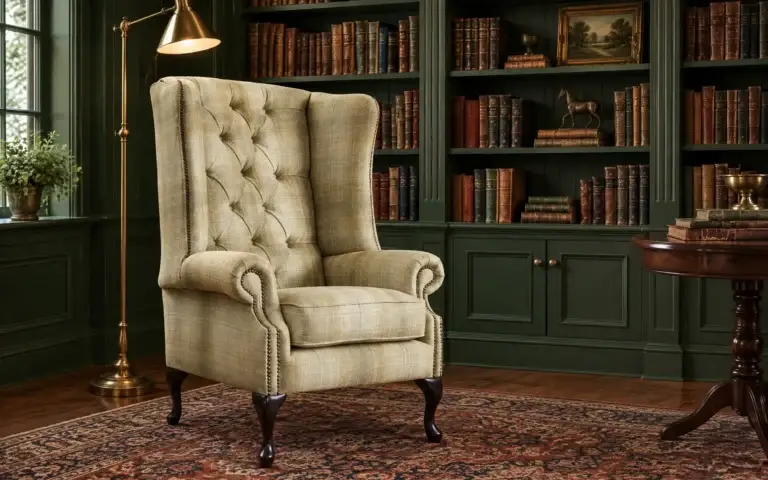
Fabric sofas offer even more possibilities. A woven footstool can create a relaxed feel, while velvet adds richness to a more luxurious interior. Consider how the materials feel together as well as how they look, since texture can make a seating area feel warmer and more inviting.
Get the Proportions Right
A footstool should complement the size of the sofa rather than disappear beside it or compete with it. A large Chesterfield usually needs a footstool with enough visual weight to feel balanced, while a smaller sofa may work better with a more compact design. The aim is to make both pieces feel proportionate without allowing the footstool to dominate the seating area.
Measure the available floor space before buying, paying attention to the distance between the sofa and surrounding furniture. A tiny footstool placed in front of a substantial Chesterfield can look slightly lost, while an oversized design may make the seating area feel cramped. Leaving enough room to move around comfortably will also help the arrangement feel more natural.
Good proportions can make contrasting pieces look as though they belong together. The footstool does not need to be the same size as the sofa, though its dimensions should feel appropriate for the room and the seating arrangement as a whole.
Think About the Shape
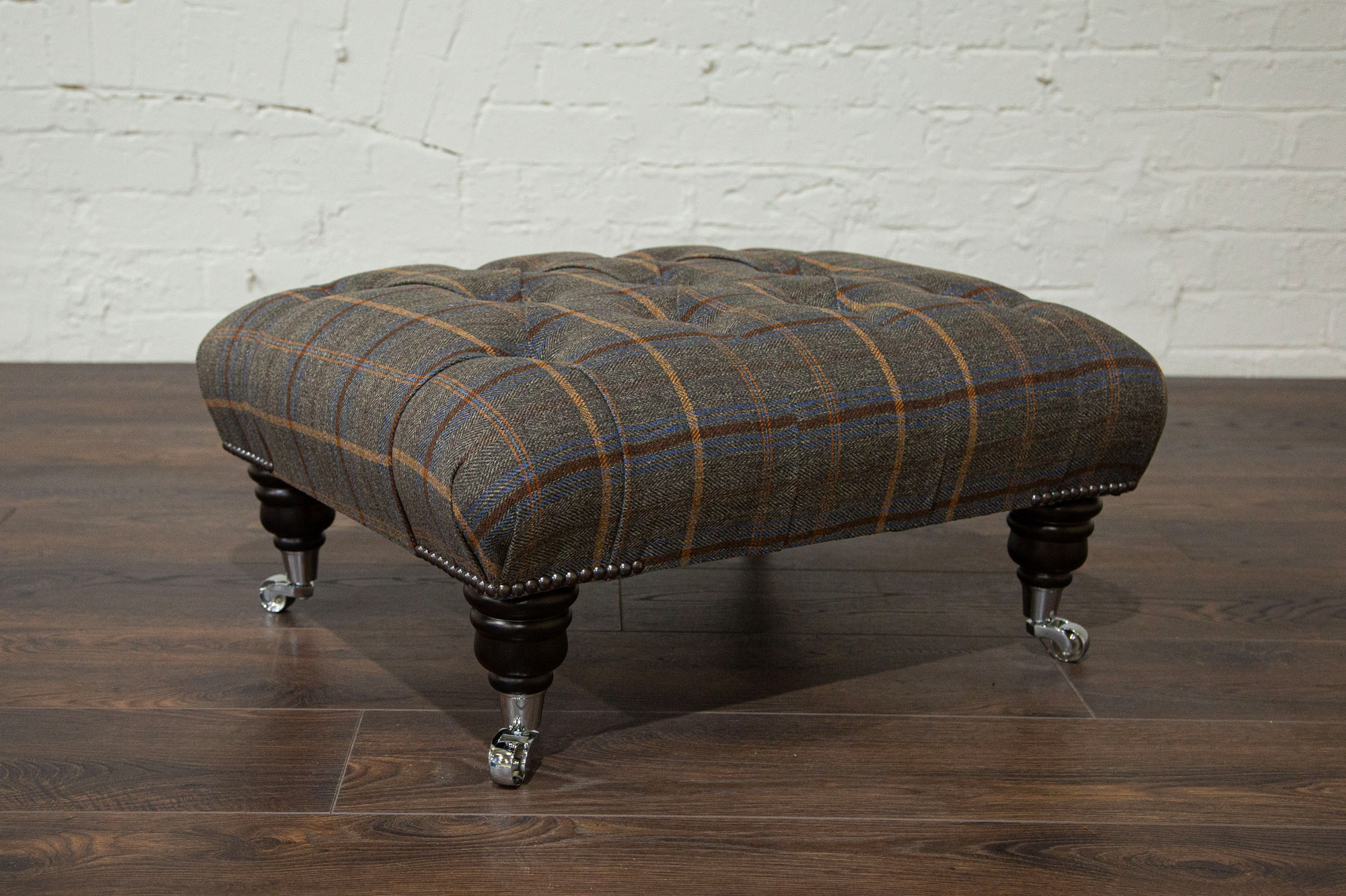
The shape of the footstool can either reinforce the sofa’s traditional appearance or introduce a little contrast. Rectangular footstools tend to work naturally with larger Chesterfield sofas because their proportions feel substantial, while square designs can suit more compact seating arrangements. Rounded options can also soften a room filled with strong straight lines.
A buttoned top can echo the detailing of the sofa without requiring every feature to be identical. Looking at the room as a whole before deciding on a shape will help you choose something that feels appropriate rather than simply matching the sofa for the sake of it.
Use the Footstool Beyond Your Sofa
A footstool does not need to stay directly in front of the sofa. When it is not being used as a place to rest your feet, it can provide extra seating for guests or serve as a casual perch within the room. Some designs can even double as a convenient surface for a tray when needed.
Having a piece that performs several roles makes it especially useful in smaller living rooms. It can be moved when you need more floor space, then brought back into the seating area when you want somewhere comfortable to put your feet. Practicality can make a footstool feel like a genuine part of the room rather than an occasional accessory.
Connect It With the Rest of the Room
The sofa and footstool do not exist separately from everything else. Rugs, cushions, curtains and artwork can help create visual links between the two pieces without making them look identical. You might pick up a subtle colour from the footstool within a cushion or use a similar material elsewhere in the room.
Small connections like these make the furniture feel integrated rather than simply placed next to each other. A cohesive room does not require everything to match perfectly. It needs enough shared details to make the overall design feel intentional while leaving room for individual pieces to have their own character.
Create a Comfortable Seating Area
The final goal is comfort. A footstool should make the Chesterfield sofa more enjoyable to use rather than simply acting as decoration. It gives you somewhere to put your feet after a long day, while a larger design can provide another place to sit when guests arrive.
Positioning also affects how easily you can move around the room. Keep enough distance between the sofa and footstool for comfortable use without leaving an awkward gap. The best arrangements feel natural because they work just as well in everyday life as they look.
Finding the Right Footstool for Your Chesterfield
Matching a Chesterfield footstool with your sofa is really about finding a balance between coordination and individuality. Consider the sofa’s style, upholstery, colour, proportions and shape before choosing a footstool, then look for ways to connect the two without making the room feel overly uniform.
A carefully chosen footstool can add comfort, extra seating and another layer of character to the living room. It can also give you more flexibility when arranging the space, making it a practical addition rather than simply another decorative piece.
Explore the collection at Oswald & Pablo to find pieces that work beautifully together. Handmade in the UK by skilled craftsmen, each piece combines traditional Chesterfield detailing with practical comfort, helping you create a seating area that feels both considered and inviting.