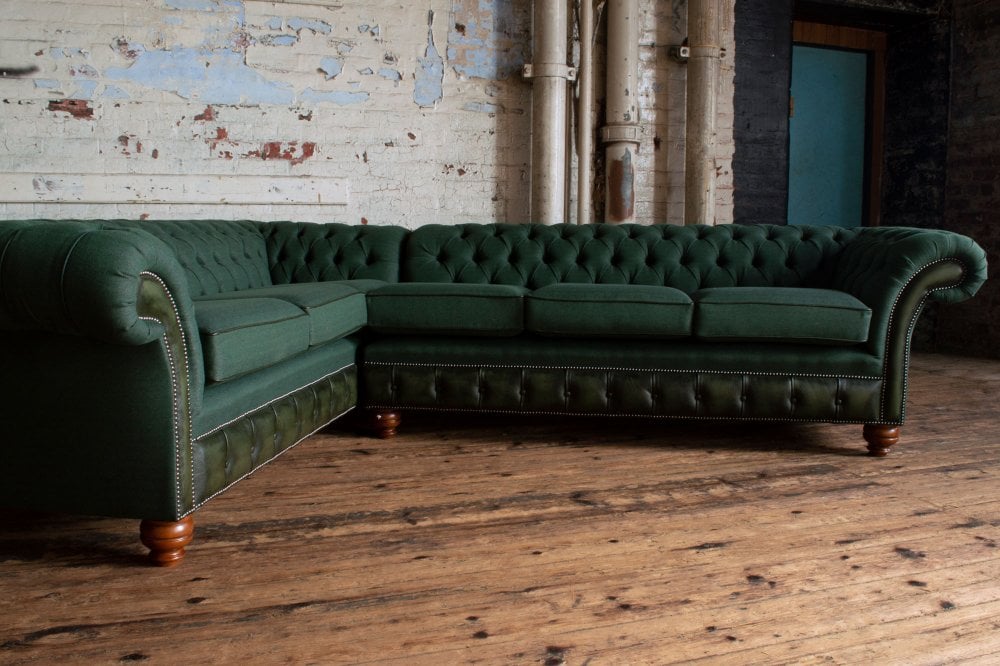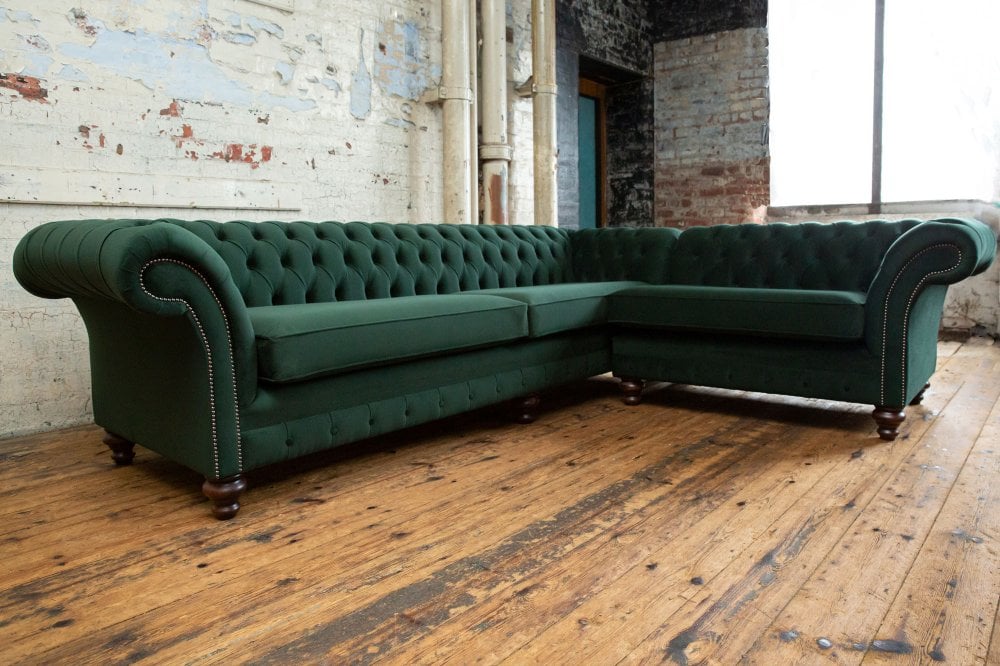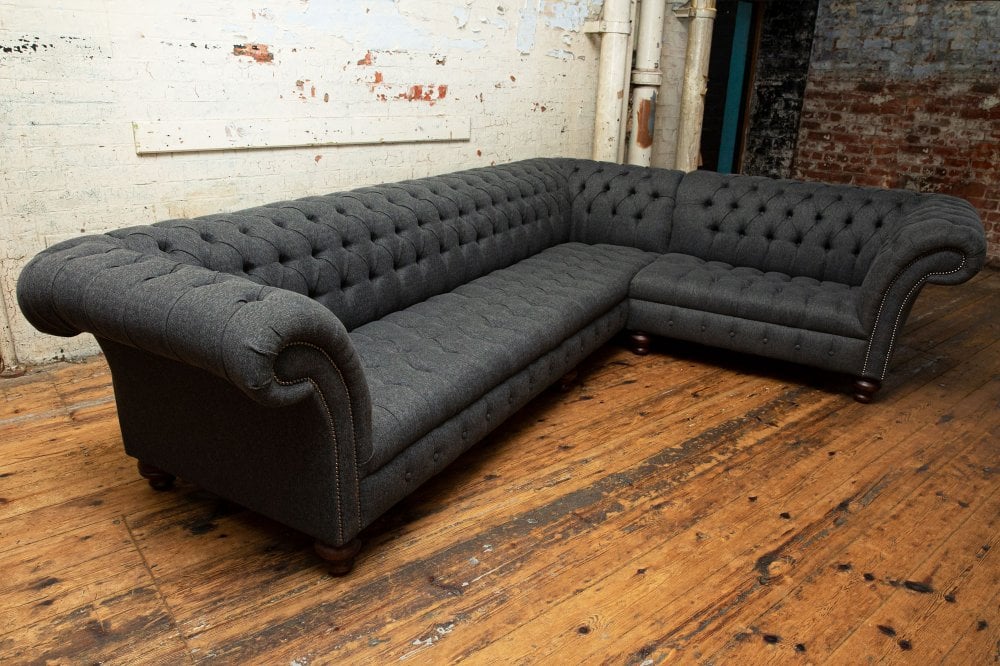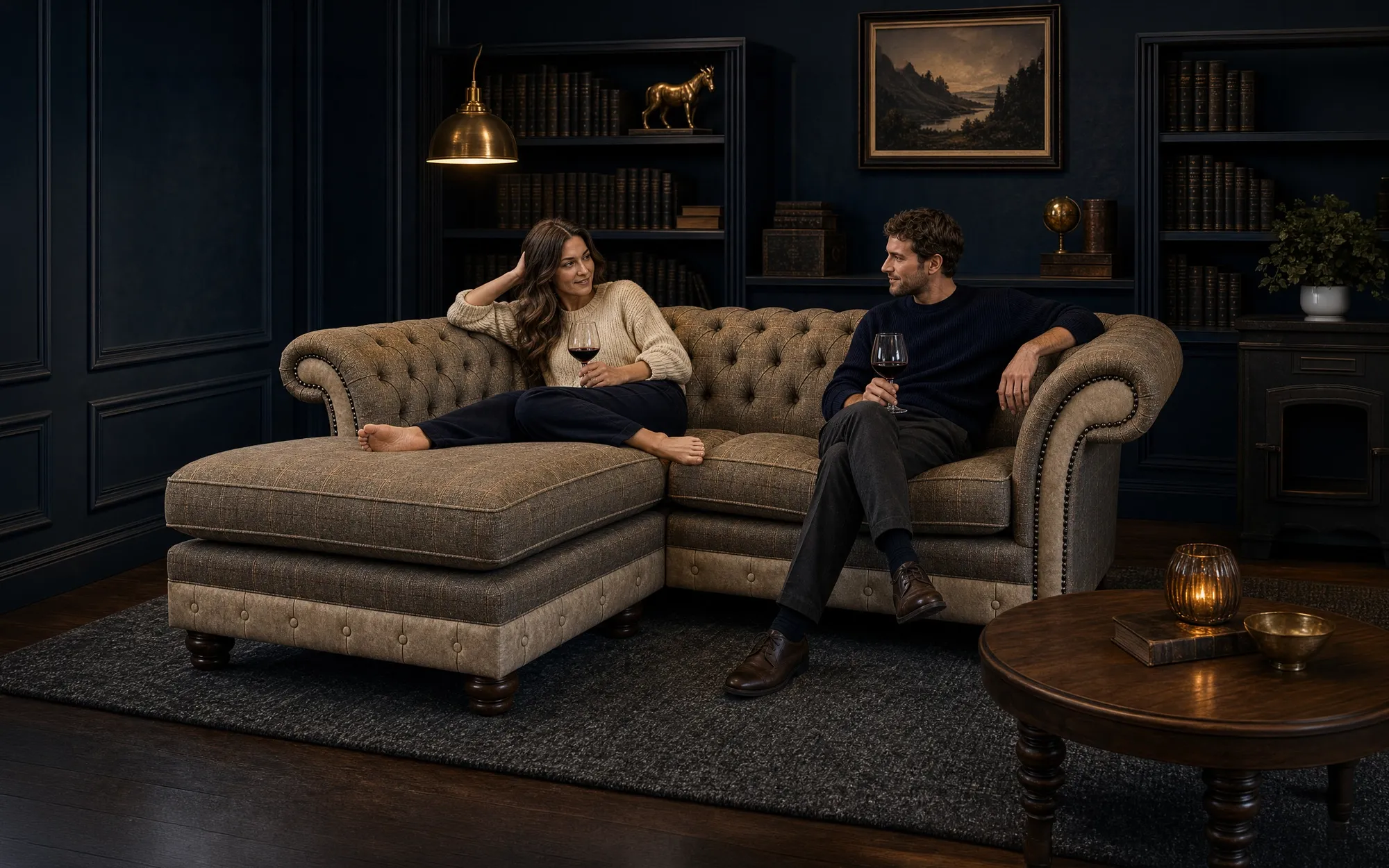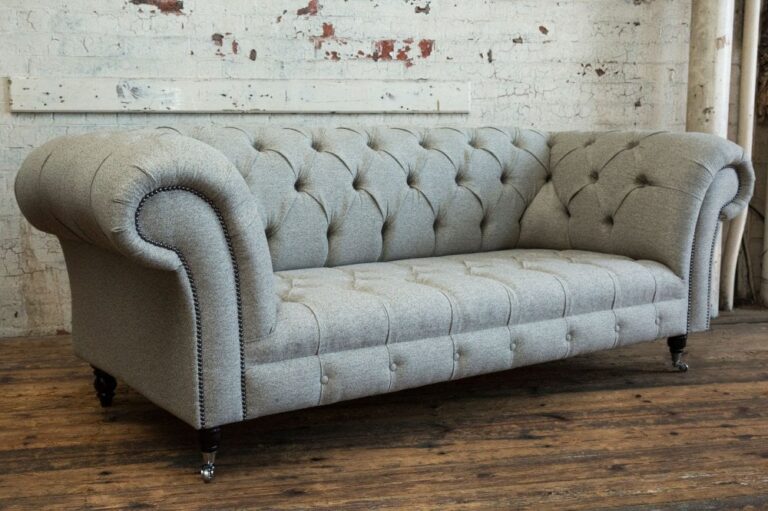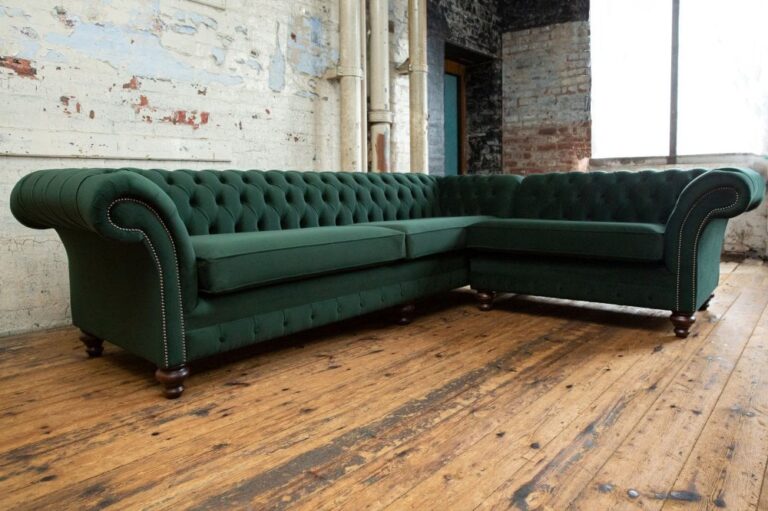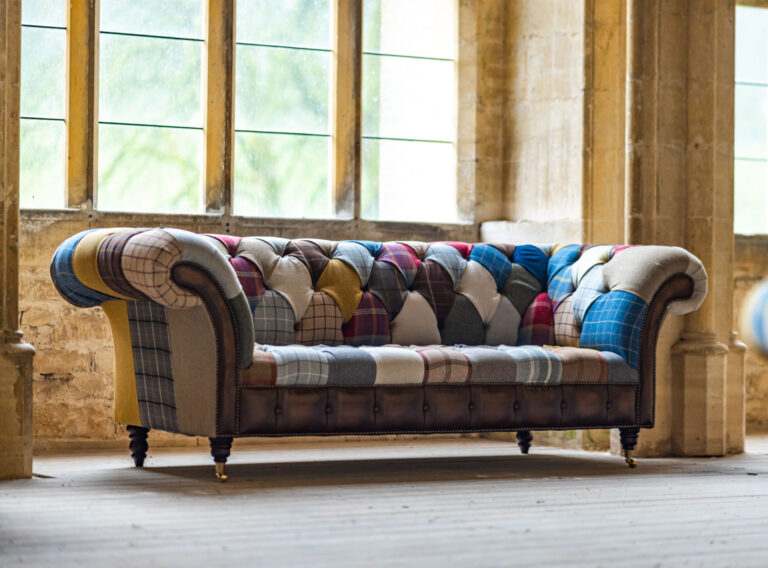
Choosing a chesterfield corner sofa involves more than finding a design you love. Its generous shape means your available space needs careful consideration before you place an order. A sofa that looks perfectly proportioned online can feel very different once it is inside your living room.
Taking accurate measurements before buying can prevent problems later. It also gives you a clearer idea of how much space will remain for walking, tables, chairs and other everyday furniture. A few simple checks can make finding the right fit much easier.
Start With the Overall Room Dimensions
Begin by measuring the length and width of the room where your sofa will sit. Write each measurement down as you go so you can compare the available space against different sofa dimensions later.
Look closely at the shape of the room as well. Alcoves, chimney breasts, radiators and unusual corners can all reduce the usable floor area. Creating a basic floor plan with doors, windows and fixed features marked out can give you a much clearer picture of where the sofa could realistically go.
Measure the Space for the Sofa
Once you understand the room dimensions, focus on the specific area where the corner chesterfield sofa will be positioned. Measure both walls that form the corner while considering the complete footprint of the sofa.
Depth matters just as much as width. A corner sofa can extend further into the room than a standard design, so measuring one dimension alone will not tell you whether the furniture will feel comfortable. Leave enough space in front for a coffee table, clear walkways and everyday movement. Avoid trying to fill every available centimetre. Furniture tends to look more balanced when there is some breathing room around it.
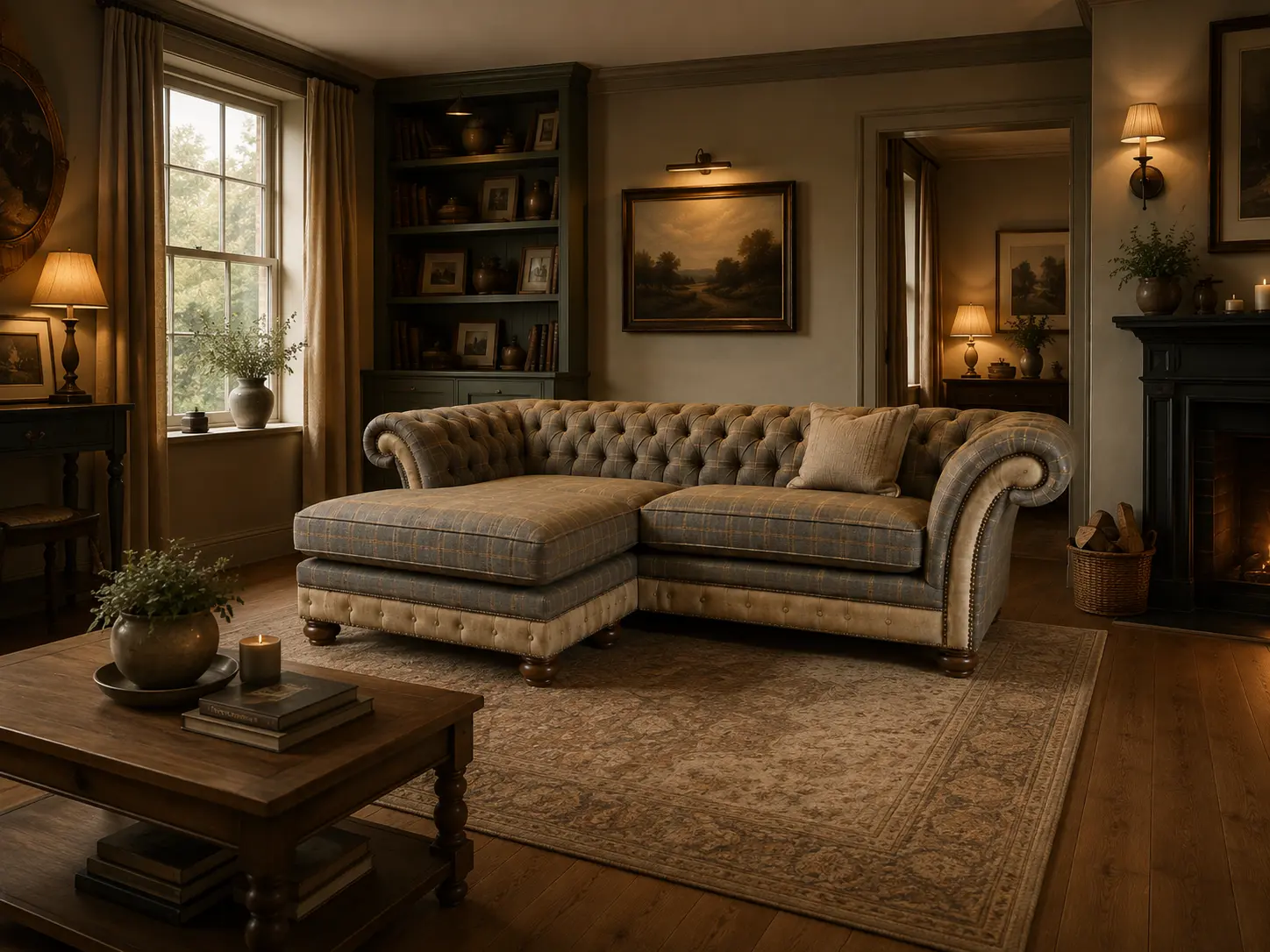
Think About Walkways
A sofa can fit technically while still making the room difficult to use. Before choosing a size, think about the routes people naturally take through the space.
Consider how you move from the hallway into the room, reach a window or walk between the sofa and other furniture. Narrow gaps can quickly become frustrating in everyday use. Marking the proposed sofa footprint on the floor with masking tape can help you understand how much space the design will actually occupy. Walking around the marked area can also reveal problems that may not be obvious from measurements alone.
Check Doors, Hallways and Stairs
Measuring the living room is only part of the process. Your sofa also needs to make it through the house before it reaches its final position.
Check the width and height of your front door, internal doorways and any narrow hallways leading towards the room. If the sofa needs to go upstairs, measure stair widths, landings and tight turns too.
Pay attention to the height of the sofa when considering delivery access. A corner sofa may need to be tilted or manoeuvred at an angle, so having enough room on paper does not always guarantee an easy delivery.
Consider Windows and Radiators
Fixed features can have a major effect on where your sofa should sit. Radiators need suitable clearance to allow heat to circulate, while windows may have curtains, blinds or low sills that influence the available space.
Avoid placing a large sofa where it blocks too much natural light or makes windows difficult to access. If your preferred position includes a radiator, check the furniture dimensions carefully before committing to the design. Planning around these features will help the finished room remain practical throughout the year.
Choose the Right Sofa Orientation
Corner sofas are not always symmetrical. Depending on the design, the longer section may sit on the left or right side when viewed from the front.
Think carefully about which orientation works best in your room. Nearby doors, windows, fireplaces and existing furniture can all influence the decision. Choosing the wrong configuration may make an otherwise suitable sofa difficult to position. A simple sketch can help you visualise the arrangement before ordering.
Leave Room for Other Furniture
Your corner sofa should never be measured in isolation. Think about everything else that needs to remain in the living room once the sofa is in place.
Coffee tables, footstools, lamps, television units and occasional chairs all require floor space. You may not need every piece, so focus on the furniture you actually use when planning the layout.
If the sofa occupies most of the available floor area, consider reducing unnecessary furniture before immediately choosing a smaller design. A well-planned room can often accommodate a substantial sofa without feeling overcrowded.
Compare Exact Sofa Dimensions
Once you have your room measurements, keep them nearby while browsing different chesterfield corner sofas. Compare the overall width, depth and height of each design rather than judging size from product photographs.
A difference of only a few centimetres can matter in a smaller living room. Larger spaces give you greater flexibility, although proportion still matters if you want the sofa to feel naturally balanced within the room.
Always check the manufacturer’s exact dimensions before making your final choice. Product photography can make furniture appear smaller or larger than it really is.
Find the Right Fit Before You Buy
Measuring carefully gives you a much better understanding of which chesterfield corner sofa will suit your home. Room dimensions, sofa footprint, access points and surrounding furniture all need consideration before you commit to a particular design.
Take your time with the process rather than rushing the decision. A little planning can make the difference between a sofa that simply fits and one that feels perfectly suited to the room.
Explore the chesterfield corner sofa collection at Oswald & Pablo to find a design that works with your available space. Handmade in the UK by skilled craftsmen, each piece combines traditional chesterfield character with lasting comfort for a living room that feels stylish yet practical.