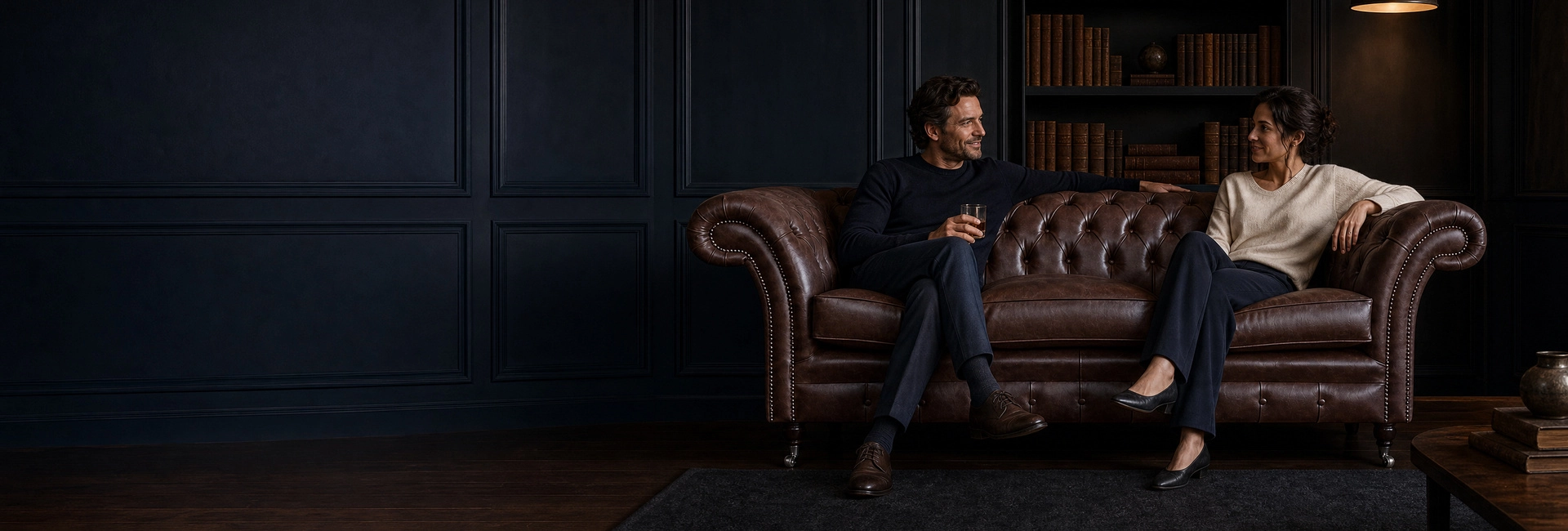
A Chesterfield sofa collects everyday life in a way flatter designs never do. Crumbs slip between the buttons, dust settles into the tufting and a coffee spill on a rolled arm always seems to happen minutes before guests arrive.
Looking after one is far easier than it looks once you have the right routine. Everything we have learned from building these sofas by hand in Manchester is gathered below, from gentle household ingredients to the habits that keep leather, fabric and velvet looking their best.
Natural cleaners suit a Chesterfield well, particularly in homes with children or pets. White vinegar, baking soda and a little washing-up liquid lift most everyday marks without the harsh chemicals found in many shop-bought sprays.
Three checks before you start
1. Vacuum the whole sofa
Remove the seat cushions if they come off then vacuum the frame first, using a crevice tool to reach the seams and the gaps between buttons. Move on to the cushions, arms and back with a brush attachment. Clearing loose dust and crumbs first stops dirt being rubbed in once moisture is added. It often deals with stale smells on its own too.
2. Read the care label
Most upholstery carries a cleaning code, usually tucked under a seat cushion or along the base. Match yours to the list below before any liquid goes near the sofa.
- W: water-based cleaners only
- S: solvent-based dry-cleaning products only
- WS: either water-based or solvent-based products
- X: vacuum or gentle brushing only, with no water or solvent
Sofas marked X are best left to a professional for anything beyond dusting. If your sofa has no label, treat it as water-sensitive and test with extra care.
3. Patch test every method
Pick a hidden spot such as the back of the base or the underside of a cushion. Apply a small amount of your chosen cleaner, leave it to dry fully then check for colour transfer, watermarks or changes in texture. A little patience at this stage can spare you a very visible mistake.
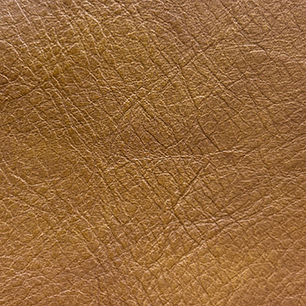
How to clean a leather Chesterfield sofa
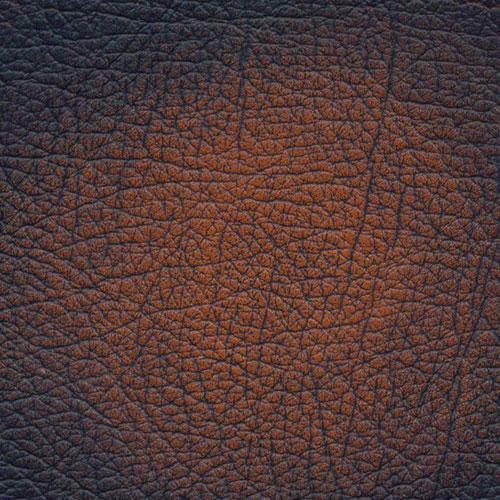
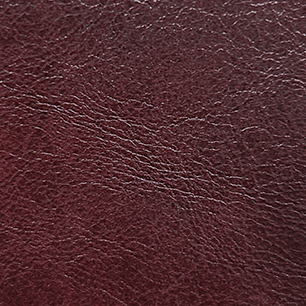
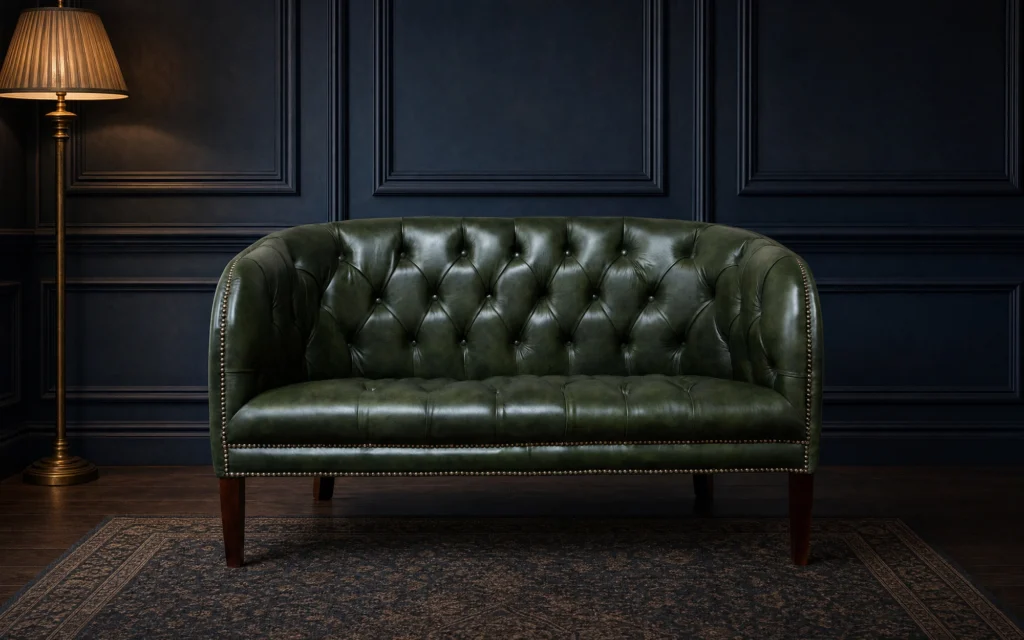
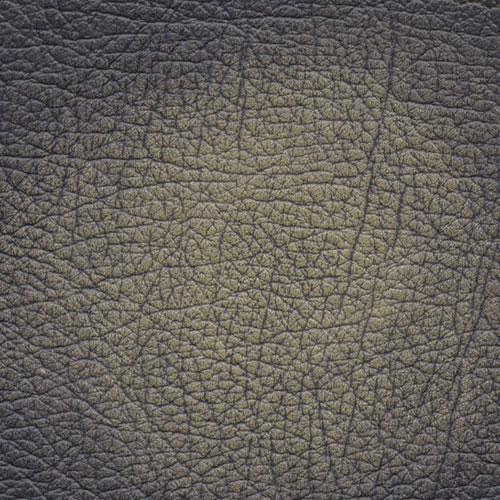
Leather chesterfield sofa has a reputation for being fussy. In practice it rewards a light touch. Well-cared-for leather softens and gains character with every year.
Dust and wipe
Vacuum with a soft brush attachment then wipe the leather with a soft cloth wrung out until it is only slightly damp. Too much water can mark unfinished leather, so test first by dabbing a hidden area. If the leather soaks up the moisture or darkens, stick to a dry cloth for routine dusting.
A natural leather refresher
For a homemade option, mix two parts white vinegar with one part olive oil in a spray bottle. Spritz a soft cloth rather than the sofa itself then wipe in gentle circles. Buff the leather with a clean dry cloth afterwards to lift any oil left on the surface. Always patch test first, as some leather finishes react badly to oil.
Condition every few months
A specialist leather cleaner and conditioner used a few times a year keeps the surface supple and helps prevent cracking. Follow the product instructions and use only a small amount, since too much can leave a sticky film. Leather loses natural oils over time, so regular conditioning replaces what daily use takes away.
How to clean a wool or fabric Chesterfield sofa
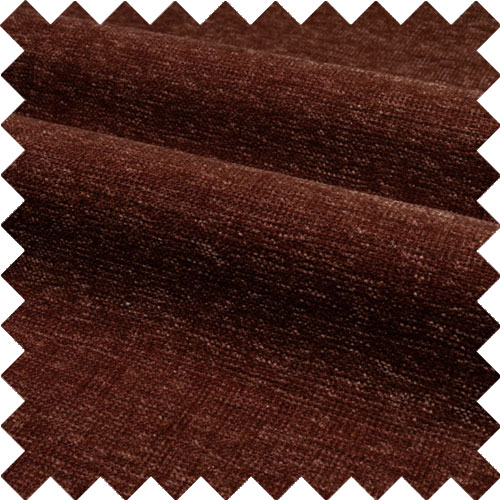
Wool chesterfield and fabric Chesterfield sofa are hard-wearing but can look tired once everyday dirt builds up. A gentle solution and a microfibre cloth will bring most of the freshness back.
Mix an all-round cleaning solution
Stir one tablespoon of washing-up liquid and one tablespoon of white vinegar into two cups (roughly 500ml) of distilled water. Distilled water is worth using because it leaves no mineral marks as the fabric dries. Dampen a microfibre cloth in the mixture then dab and blot the dull or darker areas rather than scrubbing, as friction can damage the fibres.
Rinse and dry
Refill your bucket with plain distilled water then blot the cleaned areas with a fresh damp cloth to remove any soap left behind. Press a dry microfibre cloth onto the fabric to soak up moisture. Leave the sofa to air dry, using a fan or an open window to speed things along.
Freshen with baking soda
Baking soda is a simple fix for a sofa that smells stale. Sprinkle a light, even layer over the fabric and leave it for at least 20 minutes. Vacuum it away with the brush attachment then check darker fabrics for any powdery residue.
Treat a stubborn mark
Blot the stain with equal parts white vinegar and water, working from the outside of the mark inwards to stop it spreading. Follow with a clean microfibre cloth to lift the moisture. If a vinegar smell lingers, blot the area with lukewarm water and a drop of mild detergent then allow it to dry naturally. For specific culprits such as ink, wine or grease, our guide to getting stains out of a sofa goes into more detail.
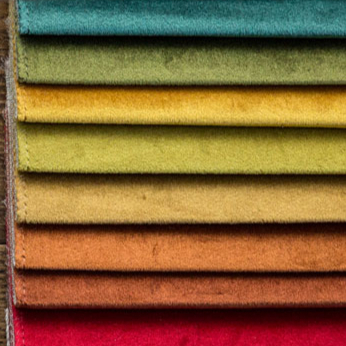
How to clean a velvet Chesterfield sofa
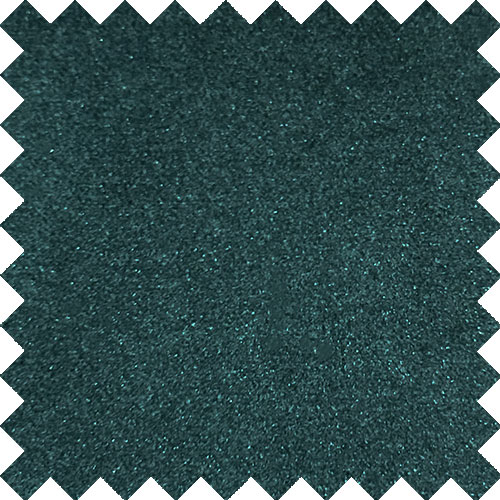
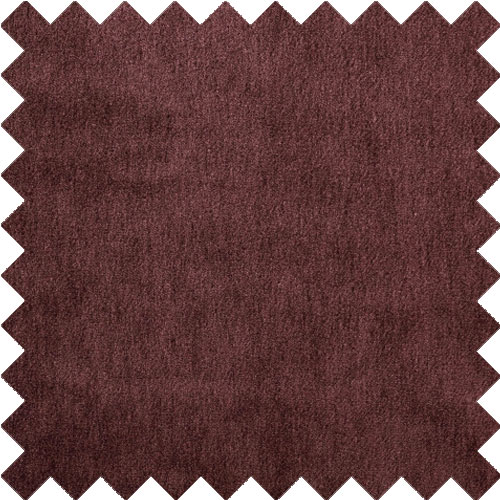
Velvet chesterfield has its rich, tactile look. Regular light maintenance keeps the pile looking full and stops dirt settling in.
Vacuum monthly
Use the upholstery attachment to vacuum every surface once a month, including the grooves around each button. Take off any removable cushions and reach into the hidden corners where dust collects. Ten minutes is usually enough to keep the sofa looking fresh.
Brush the pile
A soft-bristled brush lifts trapped dust and revives the pile. Work in long, gentle strokes across the surface after vacuuming.
Blot marks straight away
Treat marks as soon as you spot them by blotting with a slightly damp cloth. Rubbing pushes spills deeper into the pile, so keep the pressure light and switch to a fresh section of cloth as it soaks up the liquid. Paper towels work at a push although you will need plenty because they absorb less than cloth. If a mark needs more than blotting, try the fabric solution above on a hidden patch first and only when the care label allows water-based cleaning.
What to do when something spills
Speed matters more than any product. Blot the spill straight away with a clean absorbent cloth, pressing rather than rubbing, because rubbing spreads the liquid and enlarges the mark.
Once the excess is lifted, follow the method for your material above. Dye can also transfer from dark clothing onto pale leather and fabric, so be careful with brand new dark denim on a cream or white Chesterfield.
Let your sofa dry naturally
Sitting on damp upholstery presses moisture and dirt into the material and can leave creases. Keep everyone off the sofa until every damp patch has gone. Open a window or set a fan nearby to speed things up, but skip hairdryers and radiators because direct heat can damage fabric and dry out leather.
Everyday habits that keep it clean for longer
Small habits make the biggest difference between deep cleans. Try working these into your routine:
- Keep the sofa out of direct sunlight, which fades velvet and fabric and can stiffen or crack leather.
- Leave a gap between the sofa and radiators, fireplaces or air-conditioning units.
- Plump and rotate cushions regularly so wear spreads evenly.
- Vacuum and dust the rest of the room too, as household dust settles on upholstery all the time.
- Use cleaning products sparingly, since more rarely means better.
For a wider look at protecting your sofa over the years, read our guide to making your sofa last longer. It covers regular inspections for early signs of wear, slipcovers and protective sprays, coasters for drinks and lifting the sofa rather than dragging it when you rearrange a room. Each tip is quick to put into practice and helps keep the frame and upholstery in good shape for longer.
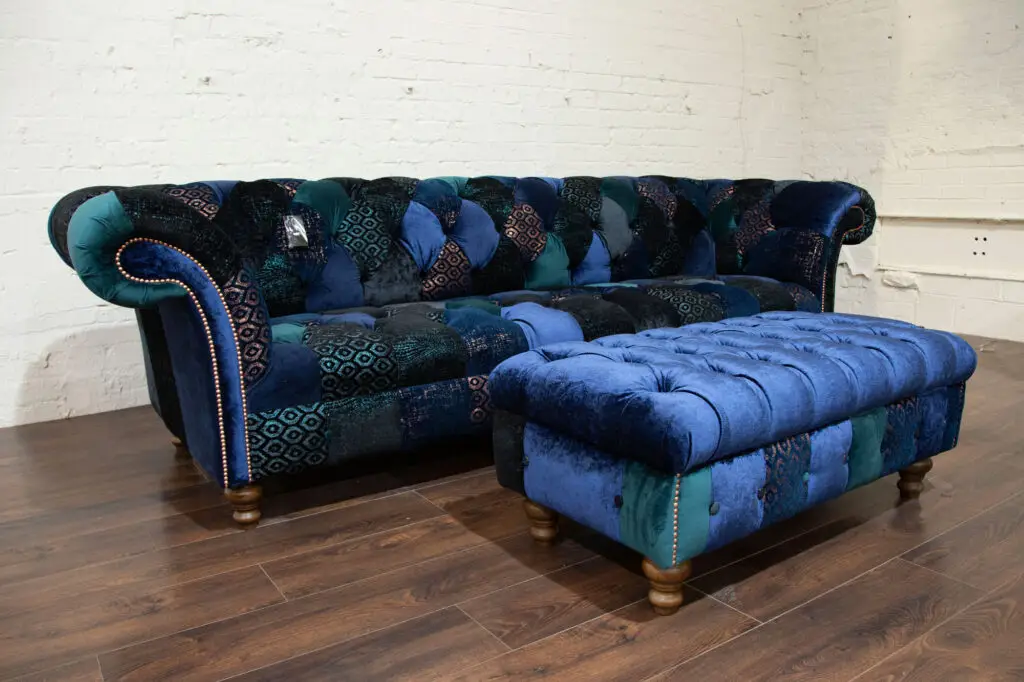
If a dog or cat shares your sofa, our pet friendly sofa guide goes further into the problems animals bring. You will find advice on removing pet hair and odours, protecting leather from claw marks and getting muddy paw prints out of both leather and fabric. It also shares simple ways to keep pets from wearing the sofa down, from throws over their favourite spot to a dedicated bed and regular grooming.
When to call a professional
Sofas marked X on the care label, large or set-in stains and heavy soiling suit professional care better than a home method. A specialist upholsterer can assess the material and treat it without risking damage. If you own an Oswald & Pablo sofa and are unsure whether a cleaning product or method is safe for it, get in touch before you begin.


![THE COMPLETE PET FRIENDLY SOFA GUIDE [4 TIPS TO LIVE BY]](https://oswaldandpablo.com/wp-content/uploads/2025/12/Dog-friendly-sofa-tips--768x512.png)