Showing 1 of 1 products
Some colours make a statement the moment they enter a room and red is one of them, though on a Chesterfield it rarely feels loud. Instead it feels established, like a piece that has always belonged there.
Oxblood, burgundy and claret have been part of British interiors for generations, appearing across traditional clubs, private studies and homes where furniture was chosen to be lived with rather than replaced with every changing trend.
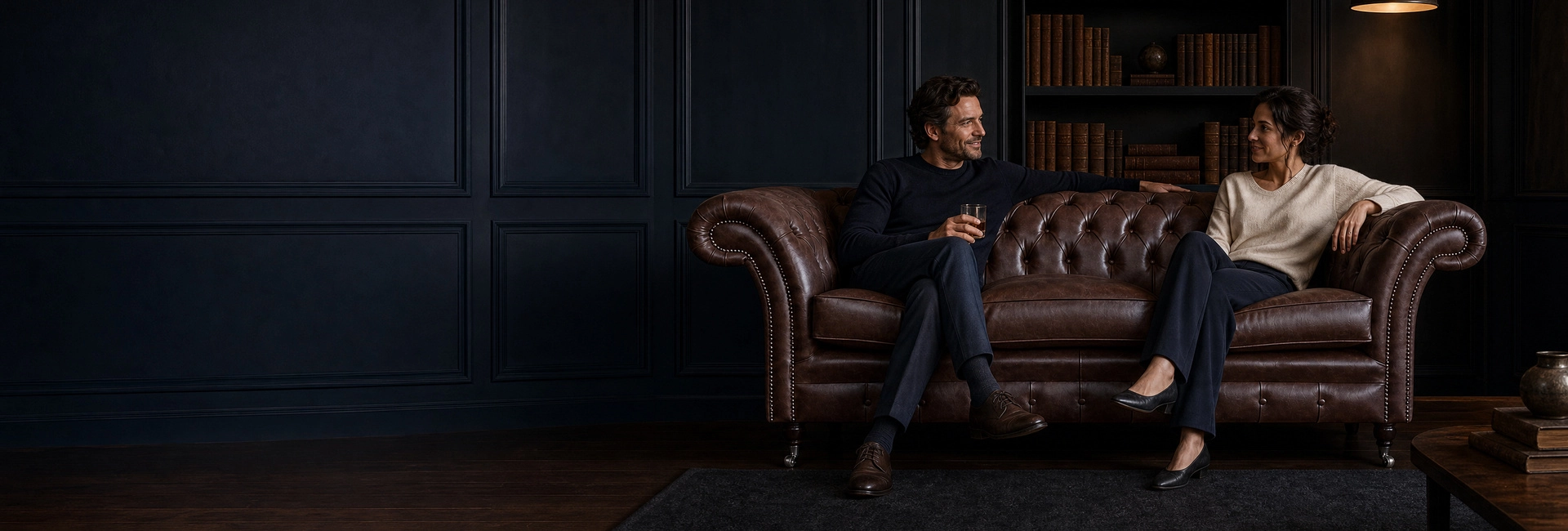
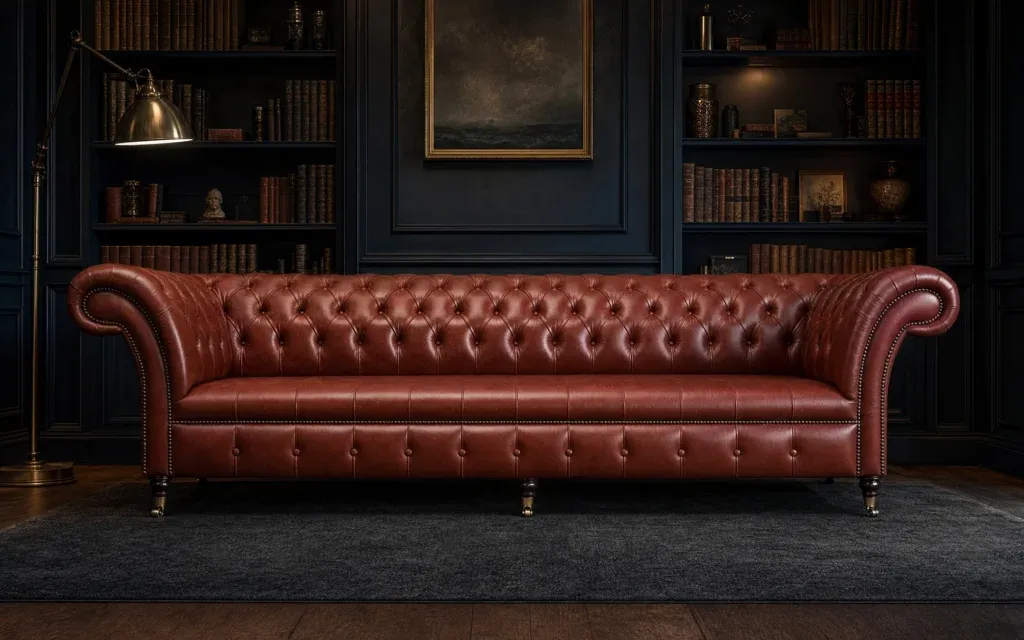
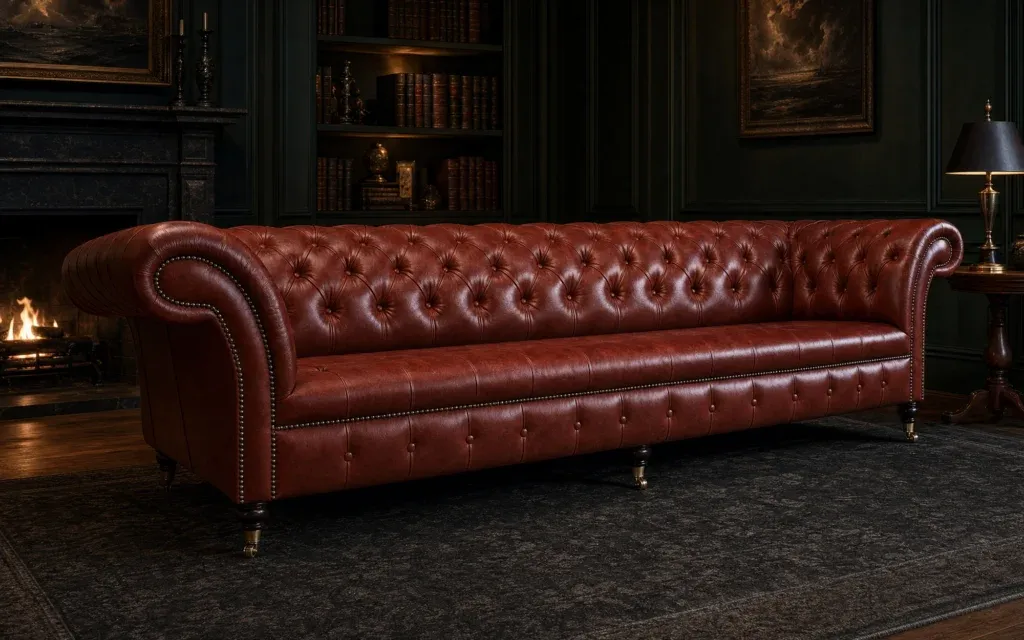
The reason it works so naturally comes down to the shape, since deep hand pulled buttoning creates natural shadows across the upholstery. Rather than appearing as a single block of colour, red becomes layered and expressive, growing more inviting under softer evening light.
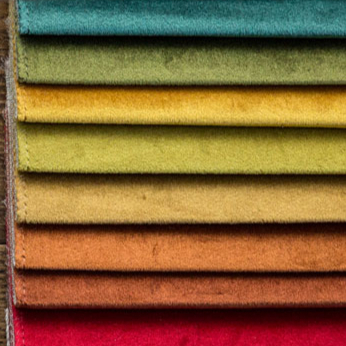
Red is one of the most changeable colours depending on its surroundings, so order up to six free swatches before deciding. A shade that feels dramatic in bright daylight can become wonderfully subtle beside warm lamps and evening shadows.
Chesterfield gives red the one thing it genuinely needs, which is balance. Without the right shape behind it a bold colour can feel temporary and slightly restless, whereas the traditional silhouette lends red a sense of permanence that makes even the richest shades feel refined.
Choosing red is less about deciding whether you like the colour and more about discovering which version suits your home, since the difference between oxblood and terracotta changes a room completely.
CLASSIC OXBLOOD AND BURGUNDY
Vintage Oxblood, Shelly Burgundy and Old English Burgundy are the traditional Chesterfield palette and the shades most associated with heritage interiors. From a distance they behave almost like dark neutrals, revealing their depth through every button once you are closer.
ELEGANT WINE AND CLARET
Duno Claret, Cracked Wax Wine and Old English Gamay offer a softer interpretation with subtle berry undertones, which feels luxurious and slightly more decorative.
WARM RUST AND TERRACOTTA Antique Rust and Old English Terracotta are the modern route, sitting closer to warm clay than to red and working beautifully with natural materials and cream tones. They suit contemporary homes especially well, bringing warmth without a hint of formality.
CONFIDENT STATEMENT REDS
Antique Red and Cherokee Rouge are for anybody who wants the sofa to become the heart of the room, best paired with simple surroundings that let the upholstery lead.
EXPRESSIVE VELVET REDS
Cracked Wax Paprika, Salsa velvet and Rosso are the boldest of the collection, particularly beautiful on smaller pieces where the colour becomes an accent rather than the foundation.
Every one of these finishes is described in more detail on our leather page.

Leather remains the natural choice here, though fabric offers another way to enjoy the colour entirely.
A red Chesterfield does not need a complicated room around it, and the loveliest spaces are usually the ones that let the sofa be the character piece while keeping everything else deliberately quiet.
Walls that work. Warm whites, creams and soft neutrals are the timeless backdrop that lets deeper reds stand out naturally. Deep green is red’s most trusted companion and a pairing that has lasted generations, while charcoal and warm grey suit a darker room that comes into its own after dark.
Textures that flatter. Natural wood and aged brass share red’s warmth, and woven textiles, layered rugs and plenty of greenery soften it further. A brown leather chair nearby creates a warmer palette with gentler contrast.
The result feels collected rather than decorated overnight, which is exactly what gives a room its lasting appeal.
The Edward and Edwardian showcase the traditional details that deep reds complement so naturally. The Conrad offers flexibility across nine sizes, while the Geneva is ideal for anybody drawn toward velvet. Every piece is handcrafted by skilled makers in Manchester using traditional techniques, with a frame protected by our ten year guarantee.
Natural wood and aged brass share red’s warmth and are the first things to reach for. Deep green is the most trusted companion, while cream, oatmeal and plenty of greenery keep the scheme from feeling heavy.
Oxblood and burgundy are the traditional answer and the easiest to live with, behaving almost like dark neutrals from across a room. Rust and terracotta are the modern route for a lighter, more relaxed interior.
Considerably, since burgundy reads as a dark neutral and sits comfortably beside timber, brass and neutral walls. A bright red asks the rest of the room to stay quiet, which is a stricter condition.
Burgundy leans toward wine, with berry and purple undertones running through it. Oxblood is deeper and browner still, closer to a dark neutral, while bright red is a true saturated colour that leads the room.
Warm whites, creams and soft neutrals let deeper reds stand out naturally without competing. Charcoal and warm grey suit a darker room, and deep green is the pairing that has worked in British interiors for generations.
Leather is the traditional and more practical choice, softening into a richer version of itself over the years. Velvet is the more theatrical option, catching light around every button in a way leather cannot.
Let the sofa be the character piece and keep everything else deliberately quiet around it. Natural wood, aged brass and woven textiles do the work, and a brown leather chair nearby softens the contrast.
Your basket is empty
Browse the collection, or order free swatches to see the leathers and fabrics in person.
Order Free Swatches